
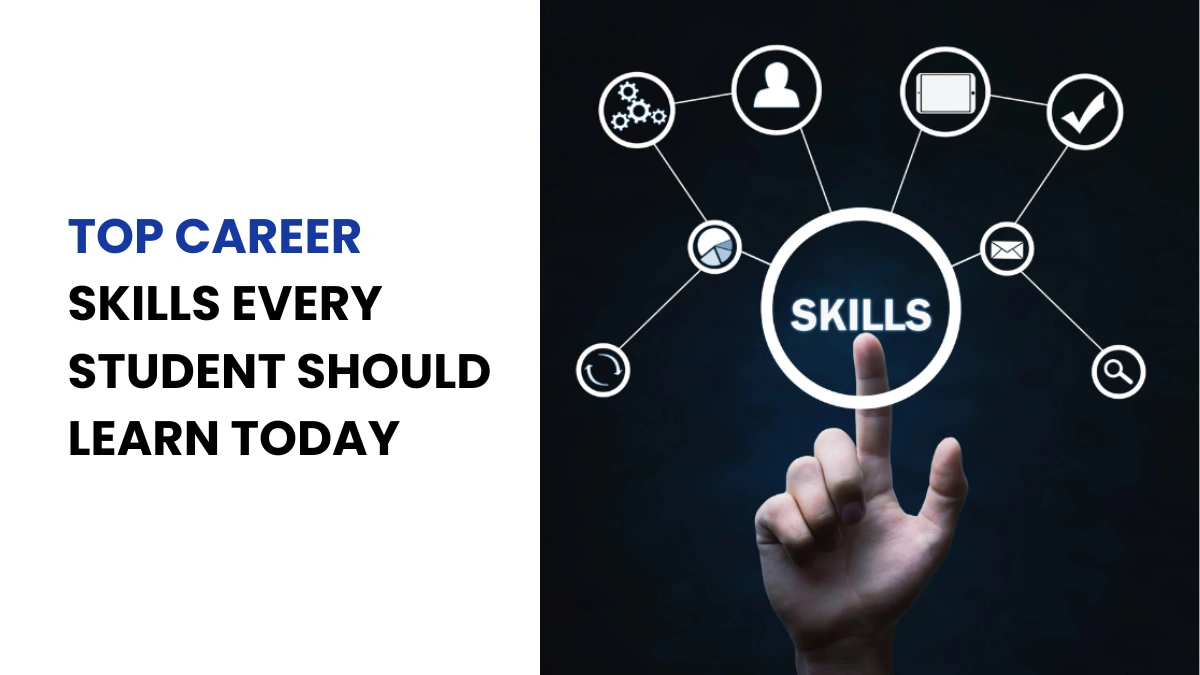
Top Career Skills Every Student Should Learn Today
Published on July 14, 2026 by
The world of work is evolving faster than ever before. Advances in technology, globalization, and changing industry demands have transformed the skills employers look for in graduates. A degree alone is no longer enough to secure a successful career. Companies now seek candidates who possess a combination of technical expertise, practical experience, and strong interpersonal abilities.
For students preparing to enter the workforce, developing the right career skills is essential. These skills not only improve employability but also help individuals adapt to changing job markets and build long-term professional success.
Here are the top career skills every student should learn today.
1. Communication Skills
Communication is one of the most valuable skills in every profession. Whether you’re writing emails, delivering presentations, participating in meetings, or interacting with clients, effective communication helps you express ideas clearly and build strong relationships.
Good communication includes:
- Public speaking
- Business writing
- Active listening
- Professional email etiquette
- Presentation skills
Students who communicate confidently often perform better during interviews and in the workplace.
2. Digital Literacy
Technology has become an essential part of almost every job. Students should become comfortable using digital tools and software that improve productivity and collaboration.
Important digital skills include:
- Microsoft Office (Word, Excel, PowerPoint)
- Google Workspace
- Cloud storage platforms
- Video conferencing tools
- Internet research
- Basic cybersecurity awareness
Being digitally skilled makes students more efficient and workplace-ready.
3. Critical Thinking and Problem-Solving
Employers value individuals who can analyze situations, identify problems, and develop effective solutions.
Critical thinking helps students:
- Make informed decisions
- Evaluate information objectively
- Solve workplace challenges
- Think creatively
- Improve productivity
Instead of memorizing answers, students should learn how to think logically and independently.
4. Time Management
Managing time effectively is crucial for academic and professional success.
Students who develop good time management habits can:
- Meet deadlines
- Reduce stress
- Improve productivity
- Balance studies and personal life
- Handle multiple responsibilities efficiently
Using planners, calendars, and task management apps can significantly improve time management skills.
5. Teamwork and Collaboration
Modern workplaces depend heavily on collaboration. Employees often work in cross-functional teams where cooperation is essential.
Strong teamwork involves:
- Respecting different opinions
- Sharing responsibilities
- Supporting colleagues
- Resolving conflicts professionally
- Working toward common goals
Group projects during college provide an excellent opportunity to build collaboration skills.
6. Adaptability
Industries change rapidly due to technological advancements and evolving business needs. Students who adapt quickly to change are more likely to succeed.
Adaptability includes:
- Learning new technologies
- Accepting feedback
- Adjusting to new environments
- Handling unexpected challenges
- Being open to continuous learning
Flexible professionals remain valuable even as industries evolve.
7. Emotional Intelligence
Technical skills may secure a job, but emotional intelligence often determines long-term career success.
Emotional intelligence includes:
- Self-awareness
- Empathy
- Stress management
- Relationship building
- Conflict resolution
Professionals with high emotional intelligence work well with colleagues and lead teams more effectively.
8. Leadership Skills
Leadership is not limited to managers. Every employee may eventually be expected to take initiative and guide others.
Students can develop leadership through:
- College clubs
- Volunteer activities
- Student organizations
- Event management
- Team projects
Leadership builds confidence, responsibility, and decision-making abilities.
9. Financial Literacy
Understanding personal finance is an important life skill that many students overlook.
Financial literacy includes:
- Budgeting
- Saving and investing
- Tax basics
- Understanding loans
- Managing expenses
Good financial habits contribute to long-term personal and professional stability.
10. Technical Skills
Every industry requires technical knowledge relevant to its field.
Examples include:
- Graphic Design
- Programming
- Web Development
- Data Analysis
- Video Editing
- Digital Marketing
- UI/UX Design
- Artificial Intelligence
- Cybersecurity
Learning industry-specific technical skills greatly improves employability.
11. Creativity and Innovation
Employers appreciate candidates who can think creatively and bring fresh ideas to the workplace.
Creative thinking helps in:
- Product development
- Marketing campaigns
- Process improvement
- Problem-solving
- Business growth
Innovation often creates competitive advantages for organizations.
12. Networking Skills
Building professional relationships can open doors to internships, jobs, mentorships, and career opportunities.
Students should:
- Attend seminars
- Participate in workshops
- Join LinkedIn
- Connect with industry professionals
- Engage in career events
A strong professional network can significantly accelerate career growth.
13. Data and Analytical Skills
Data drives decision-making in today’s organizations.
Basic analytical skills include:
- Reading reports
- Interpreting data
- Using spreadsheets
- Creating charts
- Drawing insights
Knowledge of tools like Excel, Power BI, or Tableau can provide a significant advantage.
14. Adaptation to Artificial Intelligence
Artificial Intelligence (AI) is transforming nearly every industry. Students should understand how AI tools can improve productivity rather than fear automation.
Useful AI skills include:
- Prompt writing
- AI-assisted research
- Content generation
- Workflow automation
- Responsible AI usage
Professionals who effectively use AI will have a competitive edge in the future job market.
15. Continuous Learning Mindset
Learning should not stop after graduation. Successful professionals constantly update their knowledge to stay relevant.
Students should develop habits like:
- Reading books
- Taking online courses
- Earning certifications
- Following industry trends
- Attending webinars
Continuous learning ensures long-term career growth and adaptability.
Practical Ways Students Can Build These Skills
Developing career skills doesn’t always require expensive courses. Students can start by:
- Completing internships
- Working on real-world projects
- Joining college clubs and societies
- Taking online certification courses
- Volunteering for community initiatives
- Building a professional portfolio
- Practicing mock interviews
- Participating in hackathons and competitions
- Freelancing to gain practical experience
Hands-on experience strengthens both technical and soft skills.
Why These Skills Matter
Recruiters today evaluate candidates beyond academic performance. They seek individuals who can communicate effectively, solve problems, collaborate with teams, and adapt to change. Students equipped with these career skills are more likely to secure internships, perform well in interviews, and succeed in dynamic work environments.
Moreover, these skills are transferable across industries, making graduates more resilient in an ever-changing job market.
Conclusion
The future belongs to students who are willing to learn, adapt, and grow continuously. While academic knowledge forms the foundation of a career, practical skills are what truly set candidates apart in today’s competitive job market.
By focusing on communication, digital literacy, problem-solving, leadership, emotional intelligence, technical expertise, and lifelong learning, students can prepare themselves for successful and fulfilling careers. Investing time in developing these essential skills today will create opportunities, increase confidence, and ensure long-term professional success in the years ahead.
Comments