
Why Every Business Needs a Digital Marketer Today
Published on June 9, 2026 by
In today’s technology-driven world, having a great product or service is no longer enough to guarantee business success. Consumers spend a significant portion of their time online, researching products, comparing brands, reading reviews, and engaging with businesses through social media and websites. As a result, companies that fail to establish a strong digital presence risk losing customers to competitors who are more visible online.
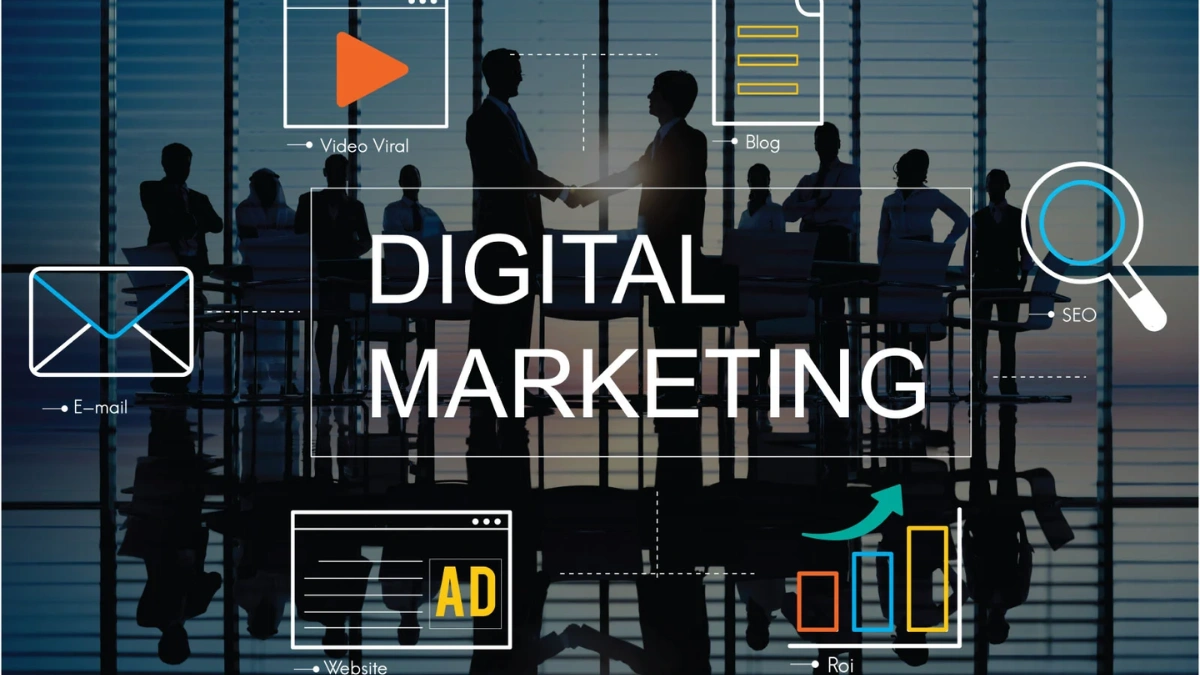
This shift in consumer behavior has made digital marketing one of the most critical functions in modern business. Whether it is a startup, small business, local service provider, or multinational corporation, every organization needs a skilled digital marketer to connect with customers, build brand awareness, and drive revenue growth.
Digital marketers are no longer optional additions to a business team—they have become essential contributors to long-term success.
The Digital World Has Become the Primary Marketplace
The internet has transformed the way people discover and purchase products and services.
Before making a buying decision, customers often:
- Search on Google
- Visit company websites
- Check social media profiles
- Read online reviews
- Watch product videos
- Compare competitors
If a business is not visible during this process, it may never get the opportunity to interact with potential customers.
Digital marketers ensure that businesses appear where their target audience is actively searching, increasing visibility and attracting qualified leads.
Building Brand Awareness
One of the primary responsibilities of a digital marketer is creating brand awareness.
A strong brand presence helps businesses:
- Gain customer trust
- Increase recognition
- Differentiate from competitors
- Establish authority in the market
Through strategic content creation, social media campaigns, search engine optimization (SEO), and online advertising, digital marketers help businesses stay in front of their audience consistently.
The more frequently potential customers encounter a brand online, the more likely they are to remember and choose it when making purchasing decisions.
Driving Targeted Traffic
Unlike traditional marketing methods, digital marketing allows businesses to target specific audiences based on demographics, interests, behavior, and location.
For example, a local restaurant can promote its services only to people within a certain geographic area. Similarly, an online clothing brand can target users interested in fashion and shopping.
Digital marketers use platforms such as:
- Google Ads
- Facebook Ads
- Instagram Ads
- LinkedIn Ads
- YouTube Advertising
These tools help attract highly relevant visitors who are more likely to become customers.
This targeted approach improves marketing efficiency and reduces wasted advertising spending.
Improving Search Engine Visibility
When people need information, products, or services, their first step is often searching on Google.
Businesses that appear on the first page of search results receive significantly more traffic than those buried deeper in search rankings.
Digital marketers use Search Engine Optimization (SEO) strategies to improve website visibility by:
- Optimizing content
- Researching keywords
- Improving website performance
- Building backlinks
- Enhancing user experience
Higher search rankings increase organic traffic and generate leads without relying entirely on paid advertising.
For many businesses, SEO becomes one of the most cost-effective methods of customer acquisition.
Generating Quality Leads
Lead generation is crucial for business growth.
Digital marketers create campaigns designed to attract individuals who have a genuine interest in a company’s products or services.
Common lead generation methods include:
- Landing pages
- Email marketing
- Content marketing
- Search engine optimization
- Social media campaigns
- Paid advertisements
These strategies help businesses build a pipeline of potential customers who can eventually be converted into paying clients.
Without a digital marketer, many businesses struggle to consistently generate quality leads.
Social Media Management
Social media has become one of the most influential communication channels in modern business.
Platforms such as:
- X (Twitter)
- YouTube
allow brands to interact directly with customers.
Digital marketers manage these platforms by:
- Creating content
- Scheduling posts
- Responding to inquiries
- Running advertising campaigns
- Monitoring engagement
A well-managed social media presence strengthens customer relationships and increases brand loyalty.
Businesses that neglect social media often miss valuable opportunities to engage with their audience.
Data-Driven Decision Making
One of the greatest advantages of digital marketing is the ability to measure results accurately.
Digital marketers use tools such as:
- Google Analytics
- Search Console
- Meta Business Suite
- SEMrush
- HubSpot
These platforms provide valuable insights into:
- Website traffic
- Customer behavior
- Conversion rates
- Campaign performance
- Audience demographics
This data allows businesses to make informed decisions and continuously improve their marketing strategies.
Unlike traditional advertising, digital marketing provides measurable outcomes that help maximize return on investment (ROI).
Cost-Effective Marketing
Traditional marketing channels such as television, radio, newspapers, and billboards often require significant budgets.
Digital marketing offers affordable alternatives that can produce exceptional results.
Small businesses can:
- Run targeted social media ads
- Publish blog content
- Optimize websites for SEO
- Build email marketing campaigns
all without spending massive amounts of money.
Digital marketers understand how to allocate resources effectively, ensuring maximum impact from available budgets.
Staying Competitive
Regardless of industry, competitors are already investing in digital marketing.
Businesses that fail to establish an online presence risk becoming invisible to potential customers.
Digital marketers help companies:
- Monitor competitor activity
- Identify market trends
- Discover customer preferences
- Adapt marketing strategies quickly
Remaining competitive requires continuous online engagement and strategic marketing efforts.
A skilled digital marketer helps businesses stay ahead in rapidly changing markets.
Enhancing Customer Relationships
Successful businesses focus not only on acquiring customers but also on retaining them.
Digital marketers nurture customer relationships through:
- Email newsletters
- Loyalty campaigns
- Personalized content
- Social media engagement
- Customer feedback initiatives
Regular communication helps maintain customer interest and encourages repeat purchases.
Strong customer relationships often result in higher lifetime value and positive word-of-mouth marketing.
Supporting Business Growth
Digital marketers contribute directly to business expansion.
Their efforts help organizations:
- Reach new markets
- Launch products successfully
- Increase online sales
- Improve customer acquisition
- Strengthen brand reputation
As businesses grow, digital marketing becomes increasingly important for maintaining momentum and scaling operations.
Whether a company serves local customers or global audiences, digital marketing provides the tools needed to expand efficiently.
The Future Is Digital
Consumer behavior continues to evolve toward digital platforms.
Emerging technologies such as:
- Artificial Intelligence
- Voice Search
- Marketing Automation
- Chatbots
- Data Analytics
- Personalized Advertising
are reshaping the marketing landscape.
Businesses that embrace digital transformation will be better positioned for future success.
Digital marketers play a critical role in helping organizations adapt to these technological advancements.
Conclusion
The business world has changed dramatically over the past decade. Customers now research, communicate, shop, and make decisions online. In this environment, businesses cannot rely solely on traditional marketing methods.
A digital marketer helps organizations build brand awareness, attract targeted audiences, generate leads, improve customer engagement, and drive sustainable growth. Through data-driven strategies and innovative marketing techniques, digital marketers ensure that businesses remain visible and competitive in an increasingly digital marketplace.
Whether you operate a startup, local business, service company, or large enterprise, investing in digital marketing is no longer a choice—it is a necessity. Companies that prioritize digital marketing today will be the ones that thrive tomorrow



Comments