
Why Skill-Based Education Is the Future of Learning
Published on June 3, 2026 by
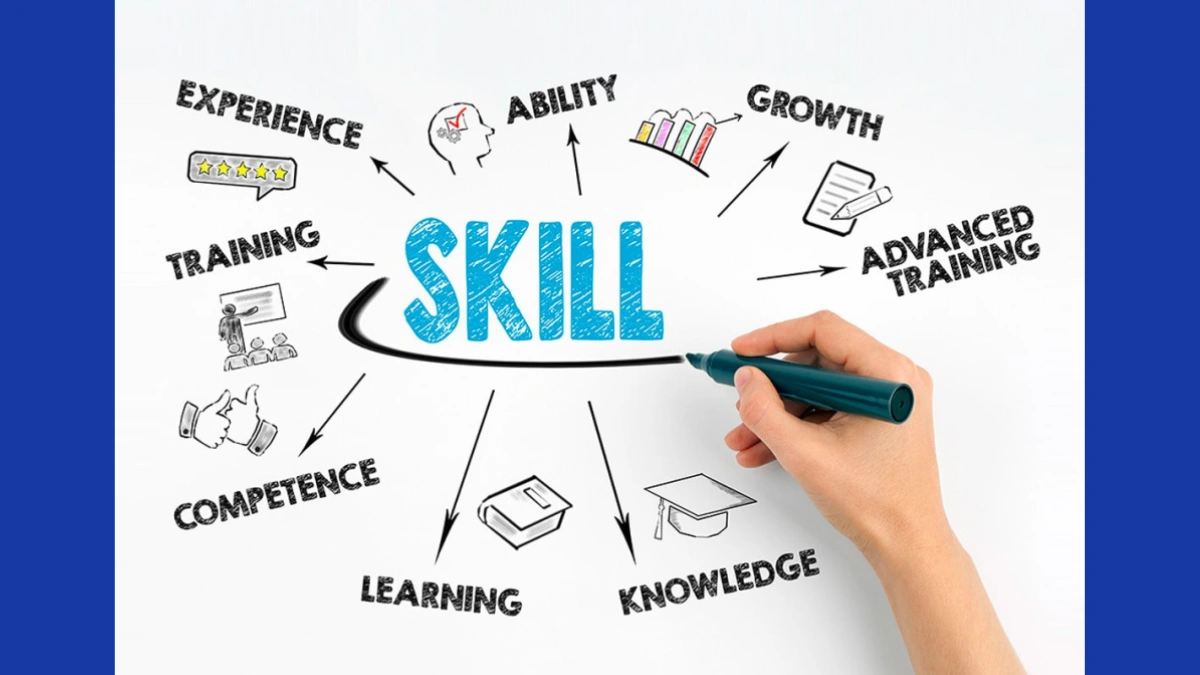
In today’s rapidly changing world, traditional education alone is no longer enough to prepare students for successful careers. While academic knowledge remains important, employers increasingly seek candidates who can apply their knowledge in real-world situations. This shift has led to the growing importance of skill-based education, an approach that focuses on developing practical abilities alongside theoretical understanding.
As industries evolve and technology transforms the workplace, skill-based education is becoming the foundation of modern learning. It equips students with the competencies needed to thrive in competitive job markets, adapt to changing career demands, and contribute effectively to organizations.
What Is Skill-Based Education?

Skill-based education is a learning approach that emphasizes the development of practical skills, technical expertise, and problem-solving abilities. Instead of focusing solely on memorizing concepts and passing examinations, students learn how to perform tasks, use tools, and apply their knowledge in real-life situations.
This type of education includes:
- Technical and vocational training
- Digital skills development
- Communication and presentation skills
- Leadership and teamwork abilities
- Critical thinking and problem-solving
- Industry-specific expertise
The goal is to ensure that learners are job-ready and capable of meeting workplace expectations from day one.
The Changing Nature of Jobs
The job market has undergone significant transformation over the last decade. Automation, artificial intelligence, digitalization, and globalization have changed the skills employers look for in candidates.
Many traditional jobs have evolved, while entirely new professions have emerged. Roles in digital marketing, graphic designing, web development, video editing, data analytics, cybersecurity, and content creation were either limited or non-existent a few decades ago.
Today, employers prioritize candidates who can:
- Adapt to new technologies
- Learn quickly
- Solve complex problems
- Work collaboratively
- Demonstrate practical expertise
A degree may help a candidate secure an interview, but skills often determine whether they get hired and succeed in their role.
Why Traditional Education Needs Support from Skills Training
Traditional education provides essential theoretical knowledge and academic foundations. However, many graduates struggle to transition into the workforce because they lack practical experience and industry-relevant skills.
Common challenges faced by graduates include:
- Limited hands-on training
- Lack of industry exposure
- Poor communication skills
- Inadequate understanding of workplace tools
- Insufficient problem-solving abilities
Skill-based education bridges this gap by integrating practical learning experiences into the educational journey. It ensures that students understand not only what to do but also how to do it effectively.
Industry Demand for Skilled Professionals
Organizations today are increasingly focused on productivity and efficiency. They prefer hiring individuals who can contribute immediately rather than requiring extensive training after recruitment.
Industries such as:
- Information Technology
- Digital Marketing
- Graphic Design
- Healthcare
- Manufacturing
- Finance
- E-commerce
- Media and Entertainment
all seek professionals with specialized skills and practical expertise.
According to various workforce studies, employers often identify skill gaps as one of their biggest hiring challenges. As a result, candidates with certified skills and hands-on experience enjoy a competitive advantage in the job market.
The Rise of Digital Skills
Digital transformation has impacted nearly every industry. Businesses now rely heavily on technology for communication, operations, marketing, customer service, and decision-making.
This has created a strong demand for digital skills such as:
Graphic Designing
Visual communication plays a critical role in branding and marketing. Skilled graphic designers help businesses create compelling visual content for websites, social media, advertisements, and promotional materials.
Digital Marketing
Companies need professionals who understand search engine optimization (SEO), social media marketing, content creation, paid advertising, and analytics to reach their target audiences effectively.
Web Designing and Development
A strong online presence is essential for modern businesses. Skilled web designers and developers help organizations build functional and attractive websites.
Video Editing
Video content has become one of the most powerful communication tools. Skilled video editors are in high demand across industries, including entertainment, marketing, education, and media.
Students who acquire these digital skills often find greater employment opportunities and freelance possibilities.
Learning by Doing
One of the most significant advantages of skill-based education is experiential learning. Students learn through practice, projects, simulations, internships, and real-world assignments.
This approach offers several benefits:
Better Understanding
Practical application helps students understand concepts more deeply than theoretical study alone.
Increased Confidence
Hands-on experience builds confidence and prepares learners for professional environments.
Improved Retention
People tend to remember information better when they actively use it rather than simply memorizing it.
Real-World Readiness
Students develop workplace habits, professional behavior, and problem-solving abilities that employers value.
Learning by doing transforms education from passive knowledge acquisition into active skill development.
Encouraging Entrepreneurship
Skill-based education not only prepares students for jobs but also empowers them to create opportunities for themselves.
Many skilled individuals become:
- Freelancers
- Consultants
- Startup founders
- Business owners
- Independent creators
For example, a student trained in graphic designing can offer design services to clients. A digital marketer can manage campaigns for businesses. A web developer can build websites for customers worldwide.
This entrepreneurial potential creates economic opportunities and promotes self-reliance.
Building Soft Skills for Success
Technical expertise alone is not enough in today’s workplace. Employers also value soft skills that contribute to effective collaboration and professional growth.
Skill-based education often includes training in:
Communication
Strong communication helps professionals interact effectively with colleagues, clients, and stakeholders.
Teamwork
Most workplaces require employees to collaborate with others to achieve common goals.
Leadership
Leadership skills enable individuals to guide teams, make decisions, and manage responsibilities.
Time Management
Efficient use of time improves productivity and performance.
Problem-Solving
Organizations seek professionals who can identify challenges and develop practical solutions.
These skills are essential regardless of industry or job role.
Supporting Lifelong Learning
The future of work demands continuous learning. Technologies, tools, and industry practices evolve rapidly, making lifelong learning a necessity rather than an option.
Skill-based education encourages a mindset of:
- Continuous improvement
- Adaptability
- Curiosity
- Innovation
Individuals who regularly update their skills remain competitive and better prepared for future opportunities.
This adaptability is particularly important in an era where career paths are becoming increasingly dynamic and unpredictable.
The Role of Skill Development Institutes
Training institutions play a crucial role in promoting skill-based education. They provide specialized programs designed to meet industry requirements and help learners acquire practical expertise.
Institutes offering courses in:
- Graphic Designing
- Digital Marketing
- Web Designing and Development
- Video Editing
- Professional Communication
help students build valuable competencies that enhance employability and career growth.
By combining theoretical knowledge with practical training, these institutions create a strong foundation for professional success.
Conclusion
Skill-based education is no longer an alternative to traditional learning—it is becoming an essential component of modern education. As industries evolve and workplace expectations change, practical skills are increasingly determining career success.
By focusing on hands-on learning, industry-relevant training, digital competencies, and professional development, skill-based education prepares students for real-world challenges and opportunities. It enhances employability, supports entrepreneurship, encourages lifelong learning, and equips individuals with the tools needed to thrive in a rapidly changing world.
The future belongs to those who can learn, adapt, and apply their knowledge effectively. Skill-based education provides exactly that advantage, making it the future of learning and a powerful pathway to personal and professional success.

Comments